For example, green lentils are great for salads and soups, while brown lentils are perfect for curries and stews. Red lentils, on the other hand, are often used in Indian and Middle Eastern cuisine. Yellow lentils are an excellent food to include in a weight management diet because they are low in fat, high in protein, and fiber-rich. The high protein content in yellow lentils can help to keep you feeling full for longer, which can prevent overeating or snacking on unhealthy foods.
Maintains Ideal Blood Tonicity
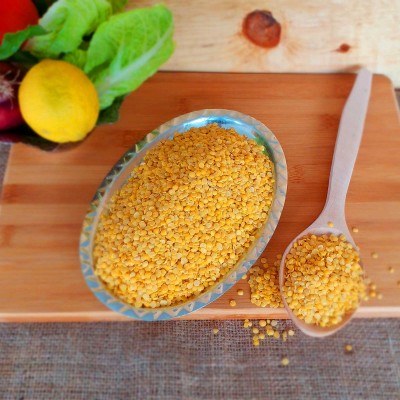
That evening, I discovered yellow lentils tucked away in the back of my pantry—a forgotten bag from an Indian grocery trip months earlier. Within twenty minutes, I had transformed them into a creamy, vibrant dish that Christopher not only ate but asked for seconds. Per gram of protein, dried green lentils cost ≈$0.003 — less than eggs ($0.012), chicken breast ($0.018), or tofu ($0.008). Even organic dried lentils average $2.49/lb — still 4× cheaper per gram of fiber than psyllium husk supplements. Cooking lentils in a slow cooker is a great way to prepare them, especially for busy households. Simply add the lentils, liquid, and any desired spices or ingredients to the slow cooker and cook on low for 6-8 hours or high for 3-4 hours.
Unlock the Power of Lentils: A Comprehensive Guide to Types, Cooking, and Health Benefits
Diets lower in sodium favor healthy blood pressure levels, as do the many nutrients that lentils provide like folate, potassium and magnesium. Lentils are made up of about 20-30% protein, which is relatively high compared to other plant-based foods. They are also rich in complex carbohydrates, fiber, and various essential minerals like iron, potassium, and phosphorus. The exact composition of lentils can vary depending on the type and growing conditions, but they are generally considered a nutrient-dense food.
Can red or yellow lentils help reduce the risk of chronic diseases?
Although selenium is not commonly found in many foods, lentils are a good source, making them a valuable addition to your diet for cancer prevention. Another significant health benefit of lentils is their ability to enhance intestinal regularity. The dietary fiber in lentils helps to bulk up waste and prevent excessive water reabsorption in the colon.
Preparing Lentils: Soaking and Cooking
If you have a favorite soup or salad recipe, toss in a handful to boost the meal’s nutrition. There is limited evidence that sprouted lentils interact with the cardiovascular drug trichlormethiazide. You’ll see tiny stems emerging from lentils if you buy this type of pulse. If you take this medication, speak to your healthcare provider to get personalized advice regarding a potential interaction. There is almost no fat in lentils, is unimeal a scam which makes them a naturally fat-free food.
Nutrition
Ginger also helps boost bone health, strengthen the immune system, and increase appetite. This spicy root is also good for mitigating obesity and relief from menstrual pain.
Support your digestive system
You can buy lentils in pre-packed containers (like bags or boxes), but many stores also sell lentils in the bulk section so you can buy only the amount needed. Commercial producers must comply with FDA’s Produce Safety Rule—but that doesn’t affect consumer choices, only labeling transparency. Cooked lentils can be refrigerated for up to a week or frozen for up to six months. The released starches absorb water and swell, creating a gel-like consistency similar to how arborio rice makes risotto creamy. The starches also bind with any fats in your dish, whether from olive oil or coconut milk, creating a luxurious mouthfeel without heavy cream. Lentils are among the most consistently beneficial whole foods — but their advantages come with realistic trade-offs.
1. Antioxidant Properties, Hypocholesterolemic Effect and Gut Microbiota Health Impact
In addition, they found that altitude influenced the content of these molecules in lentils. In fact, those cultivated at sea level or in the proximity of sea lands at low altitude showed la lower content of soyasaponins than those that grew in uplands. In another study, Donat et al. [43] found that lentils cultivated in fields at an intermediate altitude (1142–1387 m) showed the highest levels of soyasaponins. The contents of sapogenol A and B were studied in ten diverse genotypes of lentils by Srivastava and Vasishtha [46]. Sapogenol B (Figure 2) was present at a higher concentration than sapogenol A in all tested genotypes, with an average of 3775 and 2674 mg/kg, respectively. The contents of soyasaponin I and βg were tested in different raw and soaked and cooked legumes, including lentils, by Sagratini et al. [47].
- Trypsin inhibitors hinder the function of an enzyme called trypsin, which helps break down proteins.
- Also, be sure to rinse the lentils before cooking to remove any excess starch or debris.
- Consequently, incorporating lentils into your diet can provide a significant boost in iron, especially non-heme iron, which is the preferred type for vegans.
- However, they may interfere with nutrient absorption by binding to proteins and forming complexes that are not easily broken down by digestive enzymes (6).
- Mujadarra, from the Middle East, is a mixture of lentils, rice, and onions seasoned with cumin.
- On nights when I need comfort food, I cook them until completely soft and season them like mashed potatoes.
Yellow Lentils Nutrition Facts
“Combine lentils with a source of vitamin C such as tomatoes, potatoes, bell peppers or Brussels sprouts to enhance the absorption of iron,” Homan recommends. Additionally, lentils can cause gas due to fermentation in the digestive system. Just one serving of lentils can supply over 30% of your daily iron needs, making it an excellent option for maintaining energy throughout the day. Vegetables like bell peppers, zucchini, or spinach can be added for variety and enhanced nutrition. Test by tasting a few grains to ensure they have the desired consistency.
Polyphenols, Saponins and Phytosterols in Lentils and Their Health Benefits: An Overview
Looking at the nutrition facts, you can see that yellow lentils are a good source of fiber and plant-based protein. They also contain significant amounts of certain minerals and micronutrients such as potassium, magnesium, and vitamin B6. Lentils contain antinutrients such as trypsin inhibitors and phytic acid, which reduce the absorption of some nutrients. Soaking and cooking lentils will minimize these, but regardless, you will still absorb the majority of your nutrients. Because lentils are a great source of folate, they may help prevent excess homocysteine from accumulating in your body (12). Lentils are consumed much more often in Asian countries, particularly India.
Lentils are legumes that are related to beans, soybeans, peanuts, and chickpeas. They come in various colors, including brown, red, yellow, green, orange, and black. While each type of lentil may have some unique antioxidants, all lentils contain many helpful nutrients.